CategoriesNews

SSI West Africa and Monaco Strengthen Their Partnership to Support Local Dynamics in the Sahel

A Fund to support 45 local initiatives for women, young people and vulnerable communities.

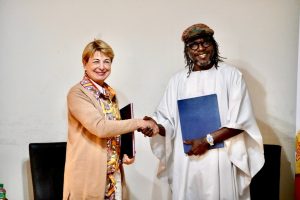
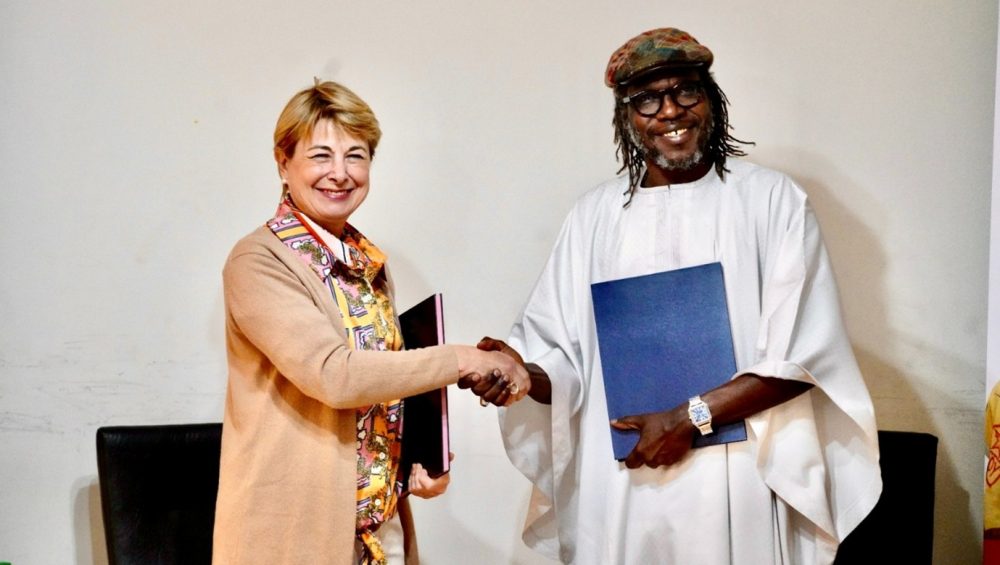
Service Social International West Africa (SSI-AO) and the Directorate of International Cooperation (DCI) of the Princely Government of Monaco have formalized the signing of a memorandum of understanding in Dakar, marking the launch of the second phase of the INISA – Sahel Initiatives program.

This program aims to durably strengthen local development dynamics in four Sahel countries: Burkina Faso, Mali, Niger and Senegal.

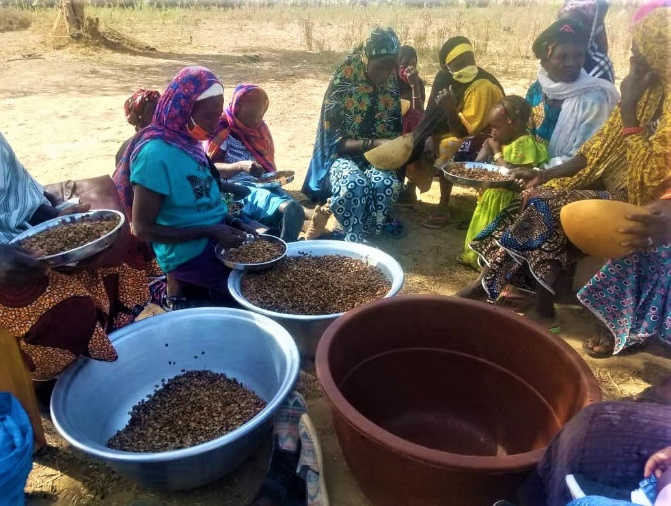
Firmly committed to an aid-localization approach, INISA 2 aims to directly support actors on the ground — local organizations, businesses, community initiatives and research institutions — by providing them with both funding and structuring support.

“This is a project we care about a great deal,” said Her Excellency Ms. Isabelle Berro-Amadeï, Minister of Foreign Affairs and Cooperation, at the official ceremony.

Following a successful first phase that supported 17 local initiatives and reached several thousand beneficiaries, this new stage plans to support at least 45 local initiatives, reflecting a significant scaling-up of the mechanism.

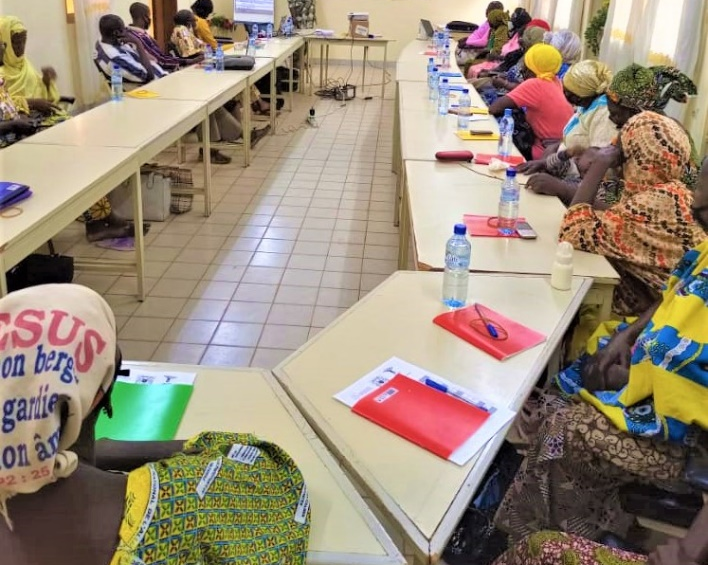
Beyond funding, the program places a strong emphasis on strengthening the capacities of local actors, so they can structure their actions, improve their impact and sustain their initiatives.

Particular attention will be given to the empowerment of women and girls, as well as the socio-economic integration of young people, two major priorities in Sahelian contexts.

For SSI-AO, networked with organizations in more than 15 countries, this partnership continues its commitment to strengthening local actors and inclusive development.

The signing of this agreement thus opens a new phase of strategic collaboration between Monaco and SSI-AO, with a shared ambition: to help sustainable local solutions emerge, driven by the actors of the territories themselves.

Through INISA 2, Monegasque cooperation confirms its determination to combine aid effectiveness, local anchoring and lasting impact, in the service of more inclusive and equitable development in the Sahel region.
CategoriesNews

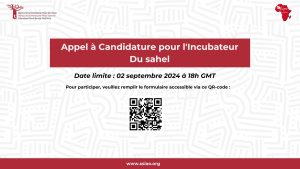
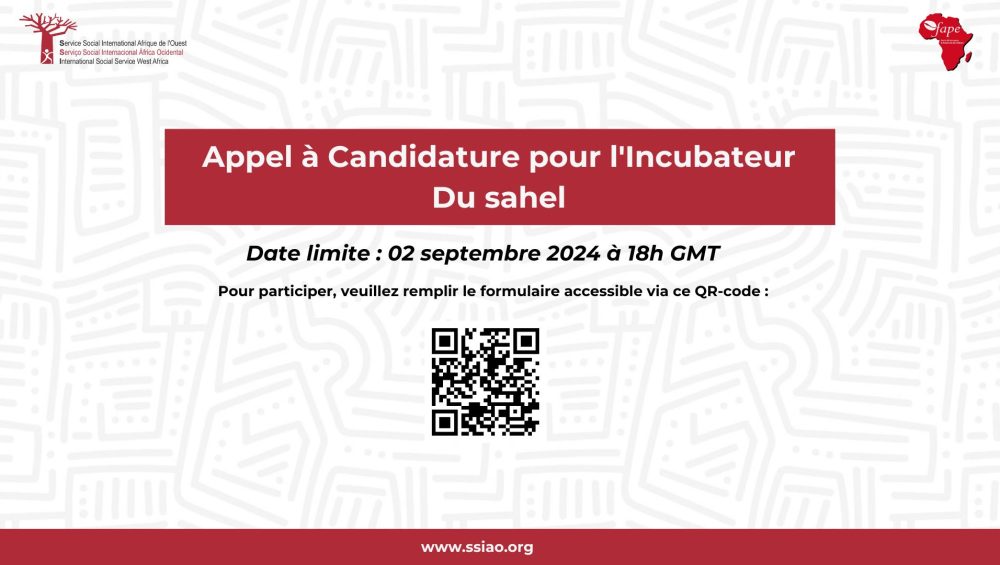
Call for Applications for the 2nd Cohort of the Sahel Incubator

The support program is built around three main components. First, personal development coaching, covering self-knowledge, skills assessment, and basic technical knowledge on self-employment.

Second, personalized support, including partnership development, organizing immersions, drafting the self-employment plan, and mobilizing resources.

Third, networking and public relations, aimed at growing the network and organizing events.

The program welcomes initiatives from young entrepreneurs in any sector. Selection criteria favor the originality of entrepreneurial ideas, demonstrated motivation, and the project’s sustainability.

The application file includes a form to be completed via the provided Microsoft Forms link. Selection takes place in several stages: submission of the form, pre-selection of applications, interviews with the committee, then notification of selected candidates.

CategoriesNews

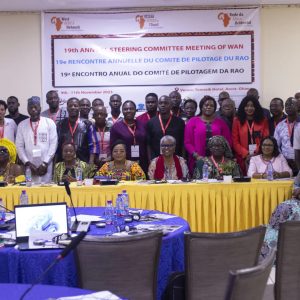
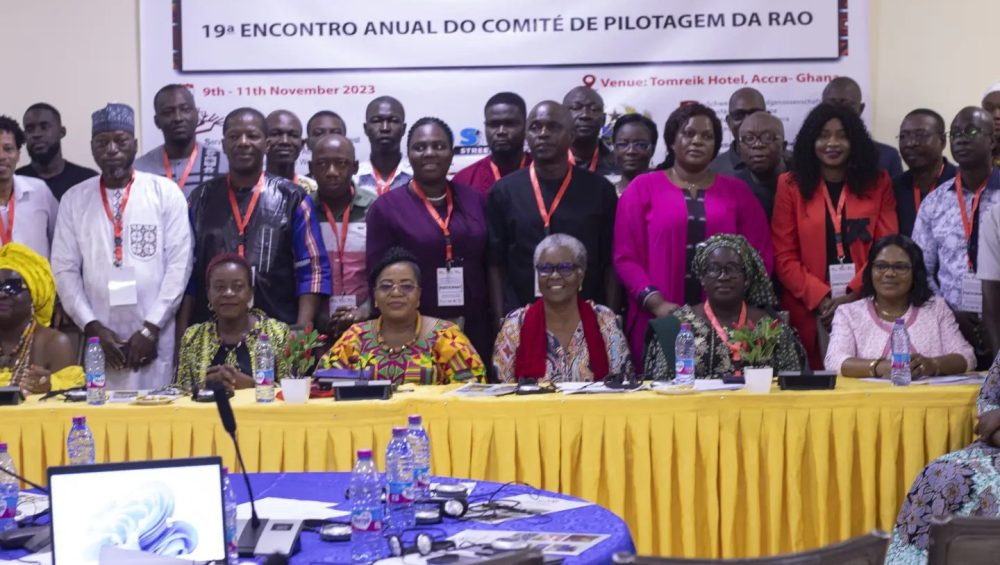
19th Annual Meeting of the RAO Steering Committee

Welcome to the Annual Meeting of the West Africa Network for the Protection of Children (RAO), a regional cooperation mechanism dedicated to the protection and transnational reintegration of children and young migrants in difficulty.

Regional cooperation for child protection: the RAO represents a unique alliance, with each ECOWAS member state represented by its national coordination bodies, made up of civil society organizations and state services. The RAO’s ultimate goal is to make the West African space safe for children and young people on the move.

Connecting protection systems: at the heart of its mission, the RAO strives to effectively and permanently connect the national protection systems of ECOWAS member states and Mauritania. This aims to better identify, protect, reintegrate, and monitor vulnerable children moving between countries in the sub-region.

15 years of impact and collaboration: over the past 15 years, more than 18,000 children and young people on the move have benefited from protection services provided by more than 1,000 state and non-state actors who are members of the RAO. These results were made possible through national and transnational collaborations, involving state and consular authorities, and civil society organizations from the 15 ECOWAS countries and Mauritania.

Looking ahead: reflections and strategies. The Annual Meeting, supported by ECOWAS and backed by Service Social International – West Africa (SSI-AO), is currently being held in Accra, Ghana. It brings together participants from the ECOWAS Commission, directors in charge of child protection, child protection organizations that are RAO members, and partner institutions.

Objectives of the 2023 meeting: this year, the meeting aims to define future strategic directions, monitor member states’ performance on the protection of children and young people on the move, share the results achieved by member countries, and track the indicators defined for the 2022-2025 period.

Sharing progress and challenges: the expected outcomes of this meeting include awareness of progress made, sharing of advances by member countries, precise definition of annual strategies and directions, as well as highlighting the issues and challenges to be addressed.

CategoriesNews

Calls for Initiatives

Through the African Fund for the Protection of Children (FAPE), SSIAO is launching two calls for initiatives: a call for innovative initiatives supporting alternative training for children and young people, and a call for applications for regional incubators in the Sahel and Atlantic areas.

These calls are open to child protection associations and individuals. Expressions of interest must be submitted by September 15, 2023 at 6:00 p.m. (deadline date and time). No file received after this date will be considered.

For more information on this call for initiatives, please download the relevant documents from SSI-AO: for the incubator, the call for applications for the IPES and Atlantic incubator along with the application form; for alternative training, the call for the EJM alternative training initiative, the application form, and the budget template to be used.

CategoriesNews

Calls for Initiatives

Through the African Fund for the Protection of Children (FAPE), SSIAO is launching two calls for initiatives, for alternative training and for regional incubators in the Sahel and Atlantic areas. These calls are open to child protection associations. Expressions of interest must be submitted by January 10, 2023 at 6:00 p.m. (deadline date and time). No file received after this date will be considered.

Following an error found in the submission email address, the deadline for submitting proposals has been extended to December 9, 2022. Please send your proposals to infos@ssiao.org.

For more information on this call for initiatives, please download the relevant documents from SSI-AO: for the incubator, the call for applications for the IPES and Atlantic incubator along with the application form; for alternative training, the call for the EJM alternative training initiative and the application form.

CategoriesNews

COVID-19: Donations Handed Over to Maternal Shelters and CAED Centers

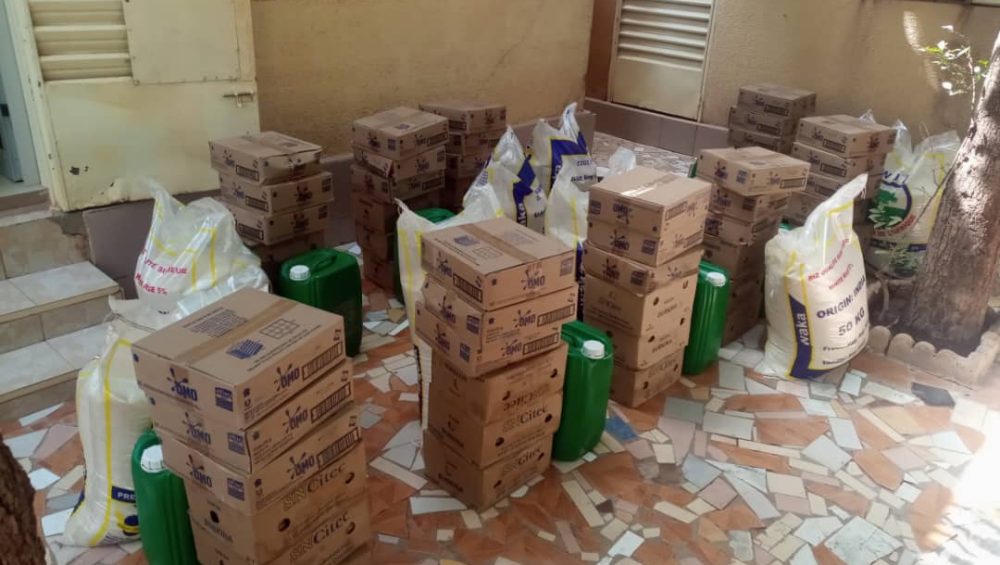
As part of the fight against COVID-19, Service Social International – West Africa (SSI-AO) handed over donations to shelters for children in difficulty in Burkina Faso.

On June 11, 2020, SSI-AO handed over donations to the maternal shelters and Centers for the Reception of Children in Distress (CAED) in the city of Ouagadougou. This handover is part of the support provided by SSI-AO to children’s services, to help them care for children during this period of the Coronavirus disease.

CategoriesNews

The Right to Education of Internally Displaced Children and Young People in Burkina Faso Preserved Thanks to the RAO

The insecurity affecting the Sahel has created hundreds of thousands of displaced people, including many children and young people. In the 9th arrondissement of Ouagadougou, Burkina Faso, entire families have settled and live daily in precarious conditions, facing food, economic, health and housing problems. Attentive to the situation of internally displaced children and young people and true to its commitment to them, SSI-AO, through the RAO, urgently set up an initiative to promote the right to education, called INITIATIVE 1-2-3, in December 2019. In total, 123 of them were supported in an educational project. Three months after their return to school, SSI-AO and the MAEJT organized a follow-up mission for these children and their families.

“I was very sad to flee my village and leave my friends behind… I am very happy, I will be able to study and make new friends.” These were the words of Ali, a ninth-grade student and one of the young RAO beneficiaries met during the follow-up. Like him, the other 122 supported children and young people, along with their families, are relieved: the threat of dropping out of school is now behind them.

To get back on the path to school, these beneficiaries had to rely not only on SSI-AO’s support through the RAO, but also on the understanding and commitment of private school administrators, who agreed to enroll them nearly three months after the start of the school year, and to significantly reduce their tuition fees.

Supporting internally displaced families: support for internally displaced people in Burkina Faso is not limited to schooling children and young people. It is part of a holistic approach that also takes into account vocational training for those beyond school age, the development of a national plan to anticipate and manage village-to-city internal migration in collaboration with the government of Burkina Faso, and above all the economic empowerment of families, so that they are able to meet the basic needs of their children. The follow-up mission thus made it possible to assess these families and begin initial thinking on income-generating activities to be put in place.

CategoriesNews

And What About the African Pact?

As if symbolically, the year 2018 ended with the adoption of the Global Compact for Migration, adopted on African soil, specifically in Marrakech. Africa was very present in the collective imagination of the thousands of stakeholders who came to celebrate this new gospel on migrants. In fact, our continent was the silent godfather of this important moment in human history — crystallizing all the fears and challenges that today push for the absolute necessity of better “migration management.”

Not so much because of the well-established fact that Africans have long moved a great deal, and mostly within their own continent, but rather because of the disastrous image reflected to a well-meaning world population: the disorderly and pathetic arrival of migrants knocking at the doors of wealthy countries — countries that themselves became prosperous partly thanks to a certain kind of migration.

So if African populations move mainly within their own continent, shouldn’t Africans’ priority be to work toward making these movements safe and beneficial for everyone? Isn’t the real challenge within this continent to give everyone the chance to choose where they live, work, and… dream?

We have tried to take our share of responsibility in this challenge, according to our skills and resources, but above all our deep conviction that any action in this direction must be carried out with the greatest quality and in keeping with our identity as an African international organization.

Our commitment to a quality approach in supporting the thousands of vulnerable migrant children and young people has also given us the legitimacy to initiate, in addition to the real assistance provided to them, a genuine framework for understanding migration in our region. The Observatory set up will gradually provide an objective, evidence-based picture of the reality of child and youth migration in our region. To achieve this, the involvement of states is a necessity — but genuine collaboration among African actors is a historic obligation.